Trade to trade car marketplace
 Trade-only marketplace
- Flexible selling options
- Maximise your profits

Thinking about buying or selling a Category S vehicle? Either way, there’s a decent amount of work required to get it back on the road. We’ll break down how this category is different from similar insurance labels and the legal requirements throughout this guide.
Last updated: 5th December, 2025

Listen to this story
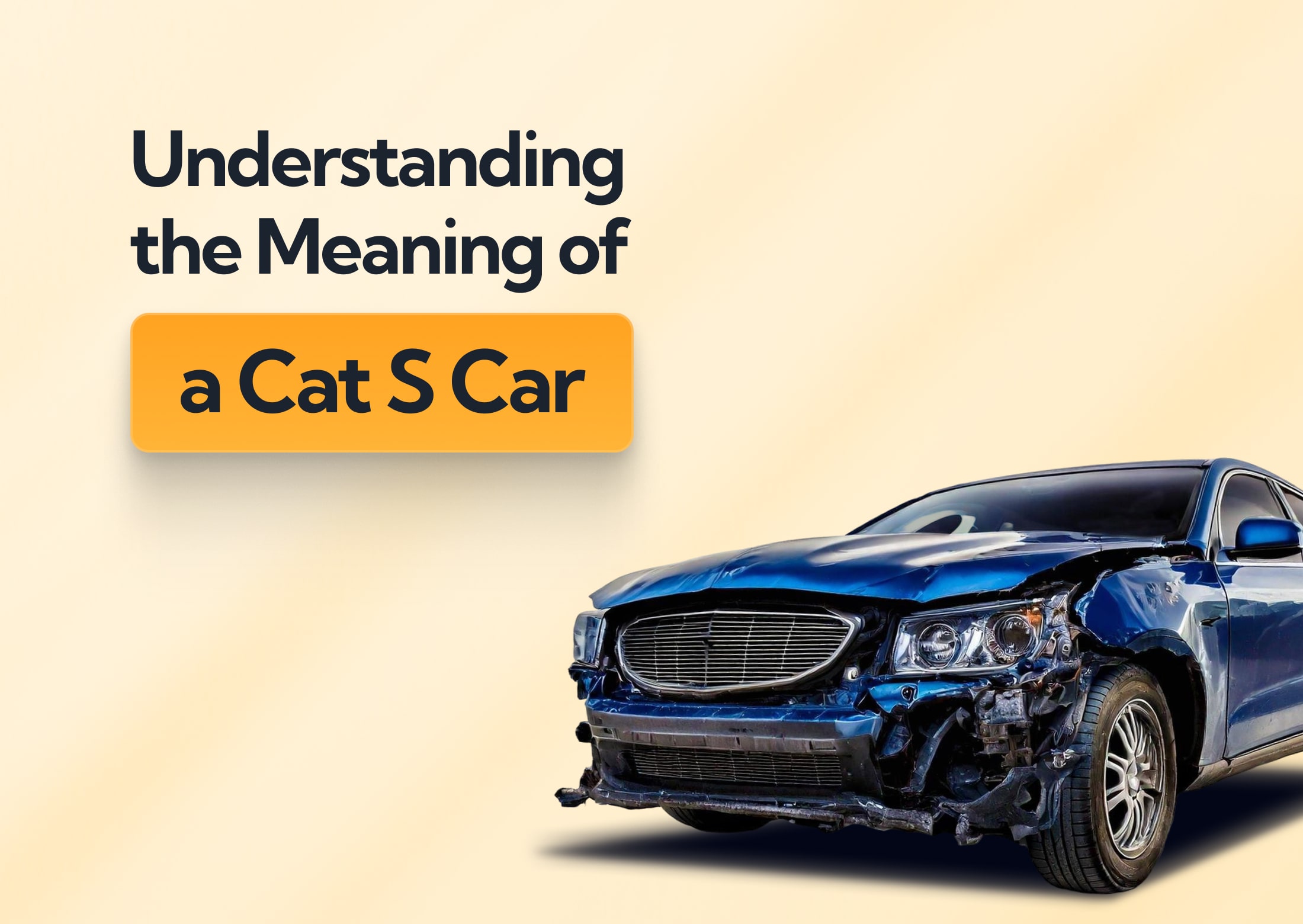
A Category S (Cat S) car is a structural write-off, which means the insurer has judged the repairs you’d need to make to the frame or chassis too expensive to get involved with. That said, the law still permits you to rebuild it and return to the road.
These sorts of issues could be everything from bent chassis legs and creased crumple zones to distorted suspension towers - basically any damage that undermines the shell rather than just body panels.
But unfortunately, even if you’ve spent thousands repairing and restoring it to its former condition, that “Cat S” flag never disappears from the V5C or history reports. Your car is stuck with it for life.
What sort of implications does that have? Insurers will definitely raise their premiums, and lenders can even refuse finance. But one of the biggest issues is that most buyers will shy away.
In short, owning a Cat S car means:
But for the right buyer - particularly one expecting a bargain - a correctly repaired Cat S car can be attractive if your documentation and repairs are solid.
Knowing whether a used vehicle hides a Cat S past is vital, because that single letter impacts everything from the price and insurance to general safety. The issue is, you cannot always tell by eye, so what can you do?
Start with paperwork: we’d suggest running an HPI Check or making a free DVLA enquiry for a write-off marker - these are handy since you can normally see a Cat S classification just by inputting a car’s registration.
Quick checklist:
Checking a car’s history report when you’re looking at any used car - especially one that might have been through an insurance write-off - is highly important. It’s genuinely the quickest and most reliable way to confirm whether a vehicle has ever been classed as Cat S, and it saves you from wandering into higher insurance costs or a car with limited resale appeal.
Paid services like HPI Check or Experian Autocheck pull live data from insurers, DVLA records, salvage auctions, and even finance databases, so any structural write-off that may or may not have happened will show up instantly against the registration.
You’ll also see details like mileage discrepancies and outstanding finance, which help you build a full picture before you waste time travelling to view the car.
You’ll learn:
Done all the paperwork? Now, begin your inspection by standing a few paces back and taking a look at the car in front of you before looking closer - this gives an overall view of symmetry and stance before you hone in on the details.
Now work methodically around the shell: pay close attention to shut-lines where bonnets, doors and tailgates meet the body. If one of the gaps swallows your little finger, while the opposite side barely guts a sheet of paper in between it, there’s a good chance there’s been past chassis distortion.
Then crouch down and look along each side, using the reflections to spot any waviness - those rippled distortions can signal filler hiding metal that was once pulled back into shape.
Next, open the doors and windows fully and check they glide without hesitation. Any binding or sagging here can point to weakened A-pillars or bent hinges.
And finally, lift the carpets or boot liners where possible - you’re looking for fresh seam sealer or any abrupt changes in paint texture.
These aren’t definitive signs of a Cat S classification, but any issues here should be enough to merit a deeper, more professional investigation before trusting any private sale.
Because Cat S damage strikes the skeleton of the car - the chassis - good welders leave trace evidence - not because it’s poor quality, but because proper structural repairs naturally alter the original metal.
Look for:
Even on an alignment rack, the car might need shims to sit straight, which is another giveaway of heavy past surgery. Any of these findings should prompt you to ask for before-and-after photographs and accredited workshop paperwork.
It’s crucial that you verify a Cat S car’s disclosure with the DVLA before you shake hands on any purchase. This is because the DVLA keeps a permanent log of every insurance write-off, so a correctly repaired Cat S car has to be re-registered before it can legally turn a wheel again.
This updated entry appears in the V5C logbook and is tied to the vehicle’s VIN and engine number, which proves that the structural work has been signed off and the car is fit for the road.
Always ask the seller for a copy of that amended V5C (or the DVLA confirmation letter) and compare the details with the physical identity plates. If any of the paperwork here is missing or just simply incomplete, walk away - without DVLA sign-off, you’re risking everything from insurance refusals and police seizures to resale issues further down the line.
Ideally, you’re able to see a thick folder of receipts that shows you that there haven’t been any hidden shortcuts. Insist on invoices for:
Professional body shops also issue alignment print-outs and paint depth readings that prove the job was done to spec. And cross-reference dates with the history report - you’ll see pretty easily that corners were cut if there are gaps or missing stages.
Paper records alone cannot guarantee your safety while driving, which is why it’s so important to insist on a thorough inspection by an independent engineer or qualified mechanic before you part with any cash.
An expert will lift the car, where they laser-measure the chassis and scrutinise every weld to confirm that the repairs actually meet manufacturer standards. They will also scan safety systems for any stored fault codes, as well as check any hidden cavities for untreated corrosion.
After this, they’ll road-test the vehicle to make sure the steering tracks are straight and the braking forces are even. This forensic appraisal not only flags unseen damage, but it also gives you realistic repair estimates for negotiating power.
Skipping this can leave you with everything from a structurally compromised car and invalid insurance to a costly MOT failure down the line.
And you should get a written report with photographs and a valuation. These checks might be slightly expensive, but they’re far cheaper than discovering hidden damage beneath fresh paint further down the line.
Award-winning automotive entrepreneur, tech innovator, and founder of Car.co.uk, NewReg.co.uk & Recycling Lives.

My biggest piece of advice to people looking to buy a Cat S car would be not to focus solely on the discount. I always tell buyers to judge the repairer instead of the label. A well-documented structural repair from a reputable specialist is far more important than a tempting price that can’t even show you how the work is done. I only ever move forward when the paperwork is as strong as possible.
Insurance write-off categories exist so that we can make safe repair and trading decisions. There are four main ones: Category S refers to structural damage that can be fixed, Category N covers non-structural issues such as electrics or cosmetics, Categories A and B are beyond repair and have to be scrapped. Again, these distinctions are what’s keeping traders compliant and buyers protected.
Cat S is somewhere between the non-repairable A/B classes and the lighter Cat N label, because the damage is bad enough to reach the vehicle’s skeleton, but it’s still got the potential to get back on the road after quality repairs.
| Category | Damage Type | Repair Allowed | Roadworthy After Repair | Resale Permitted |
|---|---|---|---|---|
| Cat S | Structural (frame/chassis) | Yes, with certification | Yes | Yes, but value reduced |
| Cat N | Non-structural (body, electrics) | Yes | Yes | Yes, minor impact |
| Cat B | Structural, severe | No; parts salvage only | No | Shell must be crushed |
| Cat A | Burnt or dismantled | No; zero salvage | No | Entire vehicle destroyed |
The Cat S flag triggers loads of new paperwork and higher running costs. Legally, the insurer must report the write-off to the DVLA, and the keeper has to re-register after it’s been repaired. Every future sale also has to declare this status, which means you should expect lower offers and full disclosure if you list it in an auction.
Then, on the insurance side, most companies will either load your premiums or decline cover altogether. Specialist brokers will quote, but again, expect to supply repair invoices and alignment certificates. Some policies even insist on an annual engineer’s inspection before renewal.
So, with those hurdles in mind, what does a buyer or trader have to do before buying a Cat S car?
Before you fall for a bargain asking price, you’ll want to weigh the upsides against the potential headaches. Yes, you’re getting unbeatable value with a structurally repaired, but there’s that lingering stigma as well as higher insurance - it’s not for everyone.
The biggest reason you’d willingly buy a Cat S car - one that’s been previously written off - is the understanding that you’re getting an otherwise out-of-reach model far more affordably. These are some of the other major benefits you can expect:
As you might expect, the savings you’re getting come with a few strings attached - without thorough checks, that bargain can become expensive later on:
Trade-only marketplace Flexible selling options Maximise your profitsIt’s definitely possible to restore a Cat S vehicle, but expect a pretty structured and paperwork-heavy journey. And it’s one that needs to follow strict technical and safety regulations. Here’s how it’s done:
It’s your job as a buyer or trader to verify each one of those steps has been followed, because you’re risking a failed insurance claim or illegal sale if you skip a stage.
“Repairability is increasingly vital in the modern automotive era. Without a keen focus on sustainable repair at the design stage… the industry’s environmental endeavours are at risk of being undermined by vehicles that become disposable too early into their use phase.” - Jonathan Hewett, Chief Executive of Thatcham Research.
The first step after a Cat S classification is a detailed structural inspection, which is done by a certified engineer or an insurance-approved assessor. During this assessment, lasers measure data points along the:
If readings fall outside factory tolerance, the shell requires straightening or section replacement. The engineer’s report records everything from photographs of key damage to estimates of repair cost versus pre-accident value - you need to demand this report, since you can’t judge whether later repairs met the structural targets or just masked the problem without it.
Only technicians holding manufacturer or IMI approval should tackle Cat S repairs. So, what are their main responsibilities?
Again, it’s massive for resale value that these technicians are qualified, so look for everything from a stamped job card with technician ID to detailed welding logs and a set of before-and-after images.
The valuers and insurers are likely to assume shortcuts otherwise, which will slash your resale value, or they’ll refuse cover.
Got your repairs out of the way? Now you need to get an independent engineer to perform a post-repair inspection - this process may follow a standard checklist or be part of a formal re-certification. They’ll verify weld penetration and measure wheelbase symmetry, and simply check every structural point matches the factory specs.
Airbag and seat-belt systems will also need to be scanned for stored crash codes, and a road test to check for pulls or vibrations.
What documentation is produced as a result of that?
You’ll want to keep these documents in your glovebox, since they’ll reassure any insurers or potential buyers down the line that the car meets safety standards. Some insurers flatly refuse cover without ever seeing them first.
A repaired Cat S vehicle can legally change hands or hit the road only after the engineer’s certificate and updated V5C are in place (as well as a fresh MOT). Traders usually compile a “handover pack” containing these, plus before-and-after images and alignment sheets.
So, before you purchase anything, both traders and private buyers need to confirm that the car has cleared every post-repair hurdle. In practice, that means verifying three core documents and one status update:
Ticking each of those boxes guarantees you that the car is legally saleable and insurable. You’re risking claim refusals or issues selling it on if you fail to gather this evidence.
So, it’s been a long process, but once all the repairs have finally finished, there’s still some more admin to go. For instance, a freshly repaired Cat S vehicle has to pass the Vehicle Identity Check if the DVLA requests it, as well as passing an MOT test and updating the keeper section of the V5C. Only then can you consider taking it to a car auction or placing a classified advert.
Post-repair checklist for traders and private sellers:
Following this sequence helps you get a fairer price - not to mention avoid legal headaches if questions arise later.
Yes, a professionally restored Cat S car with supporting photographs can be safe to drive again. The difficulty is verification, so make sure you ask for the structural certificate and an alignment print-out, as well as evidence of OEM parts. If a seller isn’t willing to hand you them, they’re probably hiding something, and you should walk away.
Yes, provided the structural repair restores strength and the car meets standard MOT criteria. The MOT checks everything from brakes and lights to emissions and visible corrosion - not write-off history. A tester doesn’t measure chassis alignment, so a car can pass while still bent, which is why the engineer’s certificate is essential. After structural work, the tester will focus on steering joints and seat-belt anchors.
Typically, around 25-40% of its market value, starting immediately once the insurer records the Cat S write-off. From that lower baseline, the car then sheds value roughly in line with comparable models, but buyers still expect a discount. And any missing invoices push the prices down again, but a photo-logged rebuild can limit further depreciation and even see modest gains if the model is in good nick or is rare.
You can legally drive a Cat S car once it has been repaired to a safe standard and has passed an MOT (as well as being taxed and insured). There is no extra government inspection, but it’ll be your job to make sure all the structural work is sound, because driving an unrepaired Cat S vehicle can attract penalties and void insurance. From there, daily use is no different once certified, although some insurers may dictate repairer networks for future claims.
There’s no reason why a Cat S car couldn’t serve as reliable daily transport for years, so long as it’s been properly repaired. Just make sure you’re being vigilant, which means watching for uneven tyre wear or creaks from welded areas. Provided you accept slightly higher premiums and slower future sales, there’s little practical barrier to commuting in a well-repaired Cat S car or just having it for daily use!
 Trade-only marketplace Flexible selling options Maximise your profits