Trade to trade car marketplace

 Trade-only marketplace
- Flexible selling options
- Maximise your profits

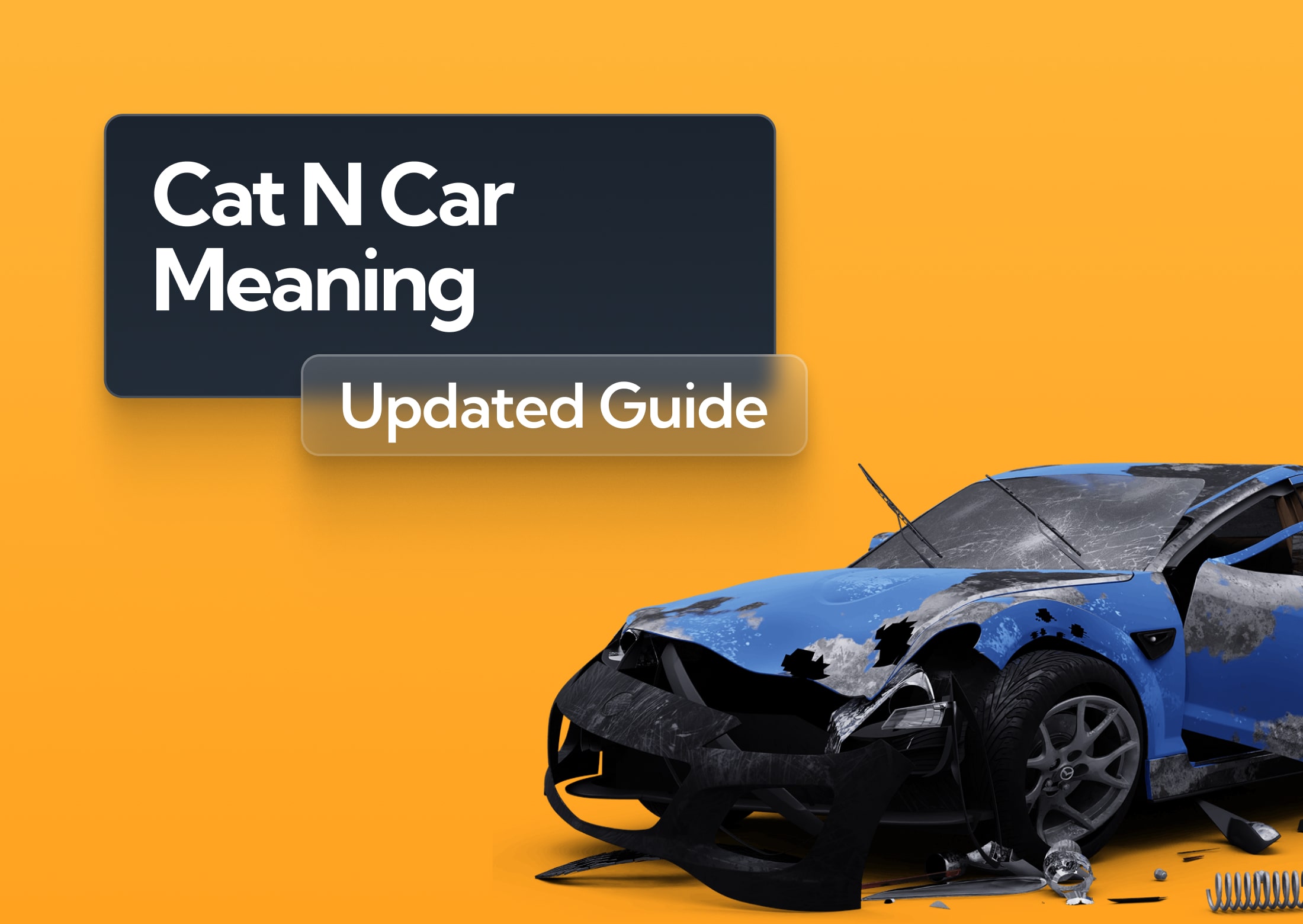
A Category N (Cat N) car is a vehicle that’s been written off by an insurer due to non-structural damage. So, no harm to its core structural frame or chassis - the “N” here stands for non-structural. This could be anything from cosmetic issues to electrical faults, and it’s one of the milder write-off classifications as far as insurance is concerned.
Last updated: 5th December, 2025

Listen to this story
Insurers assign a Cat N status when they decide it’s not economically viable to repair the car (often because repair costs approach or exceed the car’s value), even though the car can be repaired and made roadworthy again.
But that doesn’t automatically mean the car is unsafe, because once it’s been properly fixed, a Category N vehicle can be driven like any other.
You’d want to know about a vehicle’s Cat N status if you were buying a used car or dealing with insurance, because it affects factors like:
Cat N cars often come at a lower price, which is attractive to buyers on a budget, but there is a bit of a stigma attached that they have hidden issues if repairs weren’t done to a high standard.
This guide breaks down what needs to be done to get these cars back on the road and the pros and cons of investing in one of these vehicles.
To check if a car has a Cat N status, start with a vehicle history check. This is the most important step, as it shows you whether the car was declared a total loss by an insurer and what category that loss was (N, S, etc.).
Make sure you always request the full history report and, if possible, discuss the car’s background with the seller - any honest seller will tell you about a Cat N status straight away!
What can you expect to see?
For example, if a car was declared a Category N write-off in 2020, the report would note that along with the date and perhaps the incident type (e.g. “non-structural damage - insurer decision”).
Fortunately, you can get a history check done online in minutes through the DVLA. You’ll need the car’s registration number (plate number) to start, and it’s normally just a few pounds. In essence, spend a few quid on a history report now to potentially save thousands (and a lot of trouble) later.
The DVLA (Driver and Vehicle Licensing Agency) is the official body that keeps records of all vehicles in the UK, including write-off statuses:
DVLA’s own online vehicle enquiry service (the one often used to check tax and MOT status) won’t directly tell you “Cat N or not.” It provides details like whether the car is currently taxed or has an MOT.
And remember that Cat N cars don’t require re-registration, so the DVLA check is essentially just to catch the record behind the scenes, rather than looking for a note on the logbook.
It’s still an important verification, because the DVLA’s database is what future buyers and insurers will reference when they do their checks.
Websites like HPI Check, CarVertical, and AutoCheck provide detailed reports - including a car’s Cat N status. Just enter the car’s registration number to get the full history report.
These services aggregate data from insurers, the police, finance companies, and the DVLA into one comprehensive report, so you can just purchase the level of report you need.
The report might say something like “Category N write-off recorded on 12/08/2019 due to non-structural damage.”
An HPI Check is perhaps the most well-known one here, so much so that “HPI check” is almost synonymous with a history report. CarVertical or AutoCheck are also reliable and might be a bit cheaper, sometimes giving you a nice visual report.
Using an online service is just an extra layer of assurance, so make sure you use one.
By itself, the V5C will not explicitly state that a car is Category N - that’s what a history check is for. But you shouldn’t ignore the V5C; it can still provide helpful clues, and you can use it to:
So, the V5C logbook is more of a supporting document in this context. It won’t shout “Category N!” at you, but it does help confirm that all paperwork is consistent.
Trade-only marketplace Flexible selling options Maximise your profitsWhen a car is written off by an insurer, it’s placed into one of several categories to indicate the severity of damage and what that means for its future. We need these categorisations to differentiate the severity of damage and implications for the vehicle’s future.
Category N refers to non-structural damage, which means the car’s chassis and core safety shell remain intact. This makes it quite different from the more severe classifications, and it’s usually seen as the least concerning form of write-off to repair and own.
In comparison, Category A cards have severe structural damage - so bad that the car needs to be scrapped altogether without any salvageable parts. Category B write-offs are marginally similar to Category N, in that certain parts can safely be removed and reused. The difference is that the vehicle itself can never return to the road.
Category S (formerly Category C) is the most similar to Category N, since the car can get back on the road eventually. The S stands for structural damage, though, which is the difference between the two.
And Cat N essentially replaced Category D, which also referred to non-structural damage but used a more economically based definition.
Both Cat S and Cat N will forever carry that label in any history check, but a Cat S car’s logbook will be marked and has to jump through more hoops to get back on the road, whereas a Cat N car’s return to the road is more straightforward.
Both of these usually take a hit in terms of resale value, but Cat S might be depreciated more due to the nature of its past damage.
Cat N cars can be real bargains, since they’re usually cheaper than an equivalent model with no accident history. So, if you don’t mind a car with a “story,” or if resale value is less of a concern, Cat N cars are solid.
But these cars won’t hold their value like a clean title car, and there’s also the question of the repair quality: you have to trust that whoever fixed it did a thorough job.
Also, not all insurers are keen on covering previously written-off cars, and those that do may charge higher premiums.
Should you buy one? Just make sure to:
Award-winning automotive entrepreneur, tech innovator, and founder of Car.co.uk, NewReg.co.uk & Recycling Lives.

When you’re looking at a Cat N car, I always suggest thinking beyond the repair itself. You need to know who fixed it and how they sourced their parts - not just whether or not the damage has been fixed. A well-repaired Cat N car can definitely be a smart buy, but only if you’re confident in the workmanship behind it. My advice is to treat the seller’s transparency as seriously as the repair quality, because it’ll tell you far more than the listing ever will.
Of course, there are risks, which we’ll get into in a second, but there are loads of savings here if you’re a DIY mechanic or know a good cheap garage.
Whichever decision you end up making, don’t underestimate how much work you need to do or avoid fully inspecting it before buying.
Insuring a Cat N car is a bit different from insuring a car with a clean history. While it’s generally possible to get insurance, you’ll need to brace yourself for potentially higher premiums and a few extra questions along the way.
Insurance companies consider Cat N cars a slightly higher risk than non-damaged cars - not because they’re unsafe, but because the vehicle has a history of being written off and could have a lower market value or be more prone to issues. So, here’s what to expect and do when insuring a Cat N car:
Proof of Repairs: Occasionally, an insurer might ask if the vehicle has been fully repaired and is roadworthy. It’s not that common for Cat N, but it’s still good to have your repair receipts or inspection reports handy.
Insurance for a Cat N car will usually be a bit more expensive, but it’s still manageable if you just do your homework and gather multiple quotes - every insurer is different, so let them compete for your business.
Repairing a Category N car usually just means non-structural jobs, so that’s everything from replacing bumpers to sorting out dents or faulty wiring. These are generally much cheaper than fixing a bent chassis, and the goal is to return the vehicle to a safe, road-legal state without any fuss.
Get a Professional Inspection: Your first job here is to book an inspection, preferably with a mechanic who knows write-offs. They’ll pop the bonnet and look for everything you can see - and plenty you can’t.
You can’t underestimate how important a professional is here, since there’s the potential for issues like hidden wiring damage or a cracked radiator that you can’t see behind tidy body panels. Don’t rely on your DIY experience for this.
When they’ve finished poking about, ask for a written report and a repair quote. Then you can judge whether this project is actually worth your time.
Create a Repair Plan: Once the inspection’s done, grab a notebook and sketch out a full repair roadmap - you’ve got to jot down every job (bodywork, electrics, mechanical bits), then note the rough price for parts and labour beside each.
And try to be realistic with your timescale here, because a bumper respray and an air-con fix, for example, don’t take the same time to sort out.
Got those costs and timings estimated? Now you can quickly decide what’s worth fixing and which quotes are decent.
Select a Certified Repair Shop: You ideally want a garage that’s repaired Cat N cars before, but even then, you need to check its badges and look for ATA or I-Car accreditation - these show you that the techs understand post-crash standards.
Don’t just take the receptionist’s word here; check out their online reviews or take a look at some before-and-after photos. We’d also recommend that you insist on written guarantees and an itemised invoice so everything’s accounted for.
Ensure the Repair Work Is Documented: Ask the mechanic for everything from receipts and parts numbers to labour sheets and calibration reports. You can’t really be too “extra” here, even if it sounds a bit much - get anything that shows exactly what was fitted or fixed.
This is all so you can back insurance claims, and it also reassures the next owner that the job was done properly (if you plan on selling the car).
Make sure each page is dated and has some sort of stamp from the garage. You might also want some digital copies so you can put the originals in a labelled folder. You don’t want anything mysteriously vanishing over time when you need it!
Get a Final Inspection and Certification: Your last step here is just booking a final safety inspection - almost done. An experienced engineer needs to:
It’s basically just an even more in-depth MOT. If anything still squeaks or flashes, get it sorted straightaway. And ask for a written certificate confirming the vehicle is fully repaired and roadworthy when the engineer is happy. You’ll want that alongside your service book for easy reference later.
Keep Records for Future Reference: Like we touched on earlier, you need to keep some paperwork - every receipt, inspection sheet, and photo. These records prove your Cat N’s journey from bent bumper to road-safe, which you’ll need for any insurance conversations. Plus, it’ll boost its resale value.
Update the file after each service or repair so the story stays complete. And it doesn’t hurt to make a backup copy on email or a USB.
Even if the old certificate still has a few months left, your next job is to book it in for an MOT. A fresh pass is your green light that everything meets current safety standards, so this is essentially your post-surgery check-up - you wouldn’t skip that, and neither should your car.
And again, keep the paperwork tidy once the new MOT is in hand. You’ll want to pair that with your stack of repair invoices and before-and-after photos, which now make up the full picture of your car. It proves to would-be buyers, insurers and even sceptical friends that the vehicle is road-ready.
Planning to sell? Bidders are looking for any gaps in a car’s history in trade or dealer auctions, so producing a brand-new MOT alongside detailed repair records removes any doubts. And it often nudges the bids a bit higher.
Ask for invoices and parts receipts matching the original damage list, then book an independent post-repair inspection. A qualified engineer then has to check things like panel alignment and paint depth before road-testing the car. This is to confirm all the safety systems operate properly and there aren’t warning lights. If inspection and paperwork agree, plus the car passes an MOT, you can trust that the repairs are fully finished too.
Technically, you only need an MOT once the existing certificate expires, but booking one immediately after repairs is a better choice because you’re assuring buyers and insurers that the vehicle meets current safety standards and that nothing critical was missed during the work. It also resets the annual clock, which gives you 12 clear months of official confirmation.
Absolutely! You can legally sell a Cat N car without an MOT, but doing so is going to limit potential buyers and drag down the price. But you also can’t drive the vehicle away without a valid certificate, so purchasers then have to trailer or transport it (more hassle and costs!). So, getting a fresh MOT beforehand boosts your credibility and often offsets its small test fee in the end.
A Cat N history almost always reduces resale value because many buyers prefer cars with no accident record. So expect to discount around 20-40% compared with an undamaged equivalent. That said, you can narrow that gap if you have comprehensive repair documentation and evidence of careful ownership, since it reassures future buyers that the vehicle is safe and reliable.
Start by checking out the vehicle’s repair invoices and parts receipts, then arrange an independent inspection focused on previous damage areas. Any qualified engineer will be able to see if shortcuts were made or if it was just general poor workmanship. Then get a fresh MOT and a road test - if everything checks out, the Cat N repairs were done correctly and safely.
 Trade-only marketplace Flexible selling options Maximise your profits